Fabric Ducting Design Guide for 2026
As HVAC technology evolves in 2026, building owners and engineers are increasingly moving away from traditional galvanized steel in favor of Fabric Ducting Systems. This shift is driven by the need for superior air distribution, hygiene standards, and cost-efficiency.
This guide explores the design principles of modern fabric air dispersion systems, specifically focusing on the industry-leading solutions provided by MultixAir.
1. Core Technical Advantages of MultixAir Fabric Ducting
The performance of a fabric ducting system is defined by its material properties. MultixAir has pioneered specialized fabrics that address the most common challenges in HVAC design.
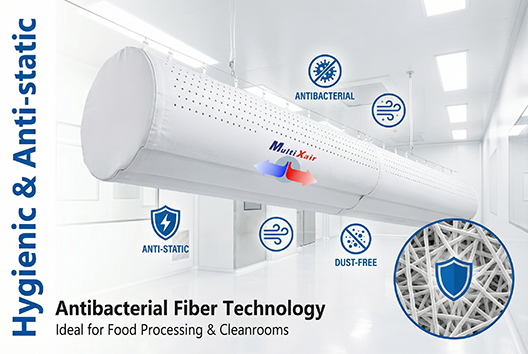
Antibacterial & Antistatic Properties
In environments where air quality is non-negotiable, MultixAir fabrics incorporate permanent antibacterial treatments. These inhibit the growth of mold and bacteria within the fibers. Additionally, integrated antistatic carbon fibers prevent dust accumulation and eliminate the risk of sparks in sensitive electronic or chemical environments.
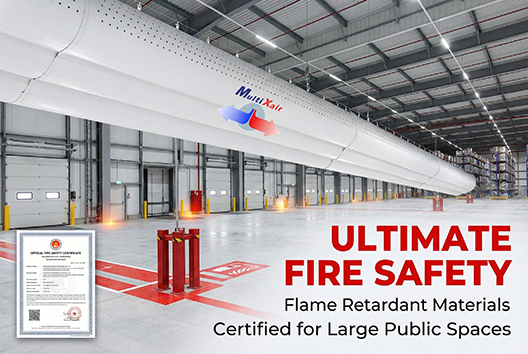
Fire Resistance (A2/B1 Rating)
Safety is the foundation of the 2026 design standards. MultixAir products are engineered to meet stringent global fire safety codes (such as EN 13501 and GB 8624), ensuring the material is flame-retardant and produces minimal smoke.
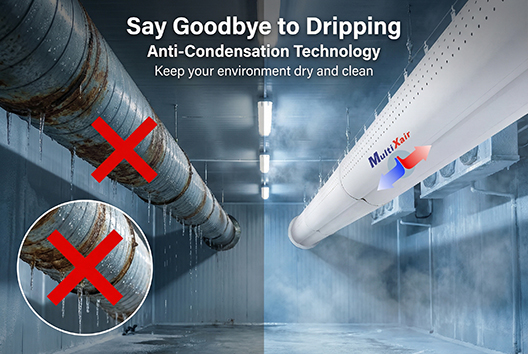
Condensation Prevention (Anti-Condensation)
Unlike metal ducts that require expensive external insulation, MultixAir fabric is naturally permeable. By allowing a small amount of air to pass through the fabric surface, it maintains a temperature balance that prevents moisture from forming, even in high-humidity environments.
2. Diverse Product Types for Precision Airflow
Effective design requires selecting the right delivery method. MultixAir offers several configurations to meet specific airflow needs:
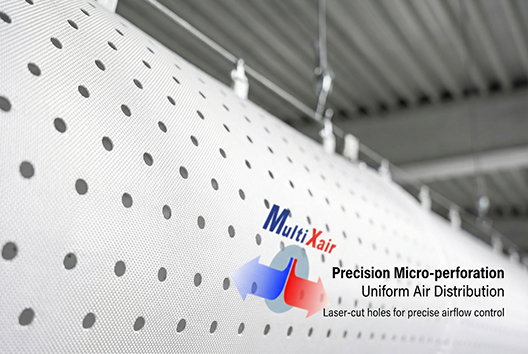
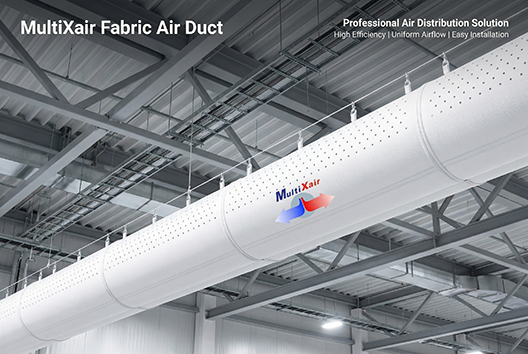
Micro-Perforation: Ideal for low-velocity air delivery (e.g., offices or laboratories) to prevent drafts.
Large Orifice/Nozzles: Designed for high-ceiling industrial spaces requiring deep air penetration and "throw."
Directional Slots: Perfect for targeted heating or cooling along walls or specific machinery zones.
3. Application Scenarios & Industry Solutions
Food Processing & Cold Chain
Hygiene is the priority here. MultixAir’s antibacterial fabrics and easy-to-launder designs ensure that food production lines remain free of contaminants. The uniform air distribution prevents "dead zones" in cold storage, maintaining consistent temperatures across the entire inventory.
Large-Scale Industrial & Logistics
For warehouses and logistics centers, the lightweight nature of fabric ducting significantly reduces the structural load on the building. Installation is up to 70% faster than metal ducting, allowing for rapid facility commissioning.
Public Spaces & Sports Arenas
In large open spaces like shopping malls or gymnasiums, MultixAir provides a quiet, aesthetic solution. The fabric can be customized in various colors and shapes (round, half-round, or sector) to blend seamlessly with architectural designs while delivering draft-free comfort to occupants.
4. Key Design Considerations for 2026
When designing your system, keep these three factors in mind:
Static Pressure: Fabric ducts rely on internal pressure to maintain their shape. Ensure the AHU (Air Handling Unit) provides sufficient static pressure (typically between 100Pa and 500Pa depending on the run length).
Suspension Systems: Choose between single-track, double-track, or tension-cable systems based on the duct diameter and aesthetic requirements.
Velocity Control: Design the inlet velocity to minimize noise. 2026 standards suggest keeping inlet speeds below 8-10 m/s for optimal acoustics.
Conclusion
The Fabric Ducting Design Guide for 2026 emphasizes a move toward smarter, cleaner, and more flexible HVAC solutions. By utilizing MultixAir's advanced material technology—ranging from fire safety to anti-condensation—designers can create environments that are not only energy-efficient but also healthier for the occupants.
Looking for a customized design?MultixAir provides professional CFD (Computational Fluid Dynamics) modeling to ensure your fabric ducting system delivers perfect air distribution for your specific project.